

Strength Below the Surface

Constructible, value-engineered solutions to the most complex geotechnical challenges.

ICOP brings a combination of technical knowledge and in-field experience to every deep foundation project. Our engineers and field teams partner with suppliers, outside testing consultants, and specialty design partners to deliver the optimal solution for your build. As your trusted geotechnical partner, we’ll identify value engineering opportunities and streamline schedules.

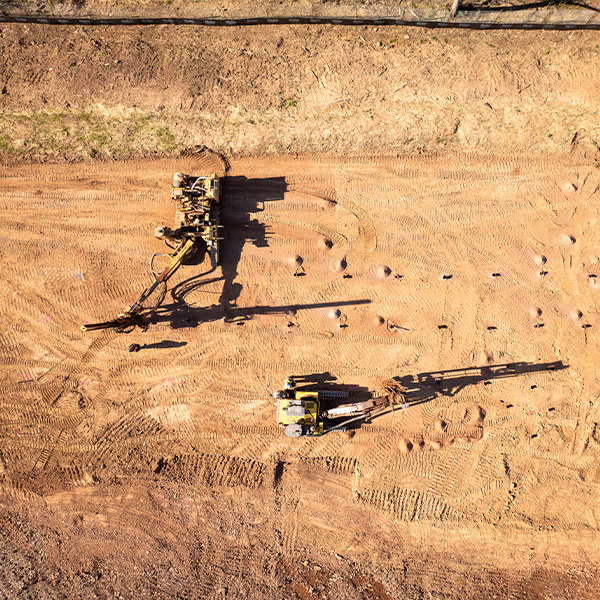
Aerial view of two construction vehicles on a dirt site.

Let’s Dig In

What Are Deep Foundations?

The term “deep foundations” applies to structural elements designed to transfer loads far underground — usually more than 10 feet, and sometimes over 100 feet — to stronger soil or bedrock.

These more expensive, more complex solutions may be called for when soil conditions are too poor or loads are too heavy for rigid inclusions to be viable.

How We Operate

The ICOP Difference

We take the lead from day one, combining upfront planning and practical expertise to provide you with long-lasting underground support systems.

Orange striped construction barrier with two posts.

Constructibility-Focused Approach

We assess designs for constructibility, using our experience to weigh factors like soil profile, equipment capabilities, access, and more.


Orange check mark in a white square with gray border.

Optimized Foundation Systems

ICOP’s team prioritizes value engineering, identifying opportunities to change diameter or length for a more economical, efficient design.


Orange outline of two hands shaking on a white background.

Supplier Relationships

Every element we use has been thoroughly tested by ourselves and by third-party partners. We have the data to back up every decision.


Clients’ Testimonials
"ICOP has cemented itself as one of Superior’s preferred contractors and the results speak for themselves."
Raymond Sanchez
Project Engineer II, Superior Construction
SUPERIOR

What We Install

Types of Deep Foundations
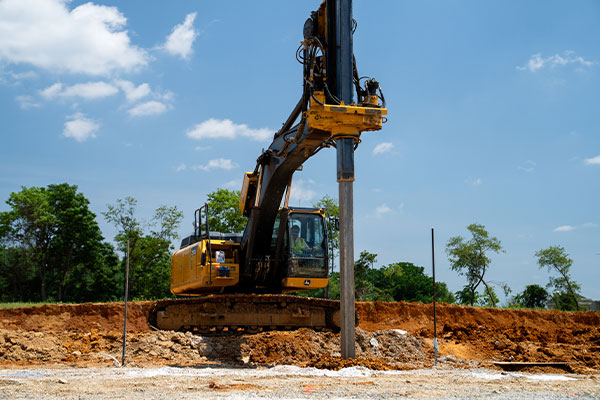
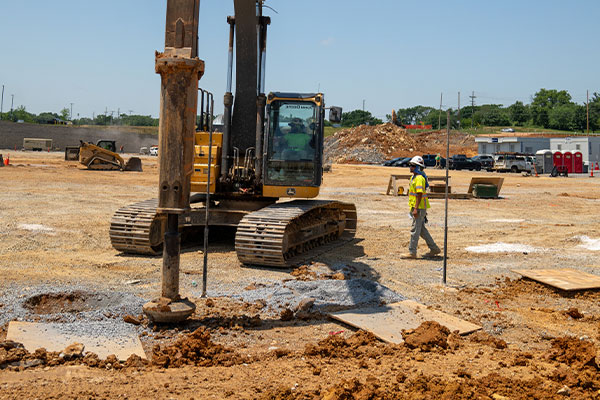
Worker walking by yellow excavator at dirt construction site.

Helical Piles

A large, screw-shaped foundation element with distinctive helical plates is twisted into the earth.
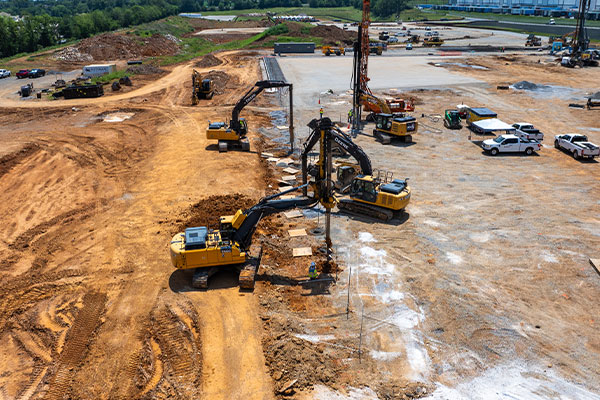
Aerial view of excavators and vehicles on reddish-brown construction site.

Ductile Iron Piles

High-strength ductile cast iron is installed with a hydraulic hammer to minimize spoils, vibration, and environmental disturbance.
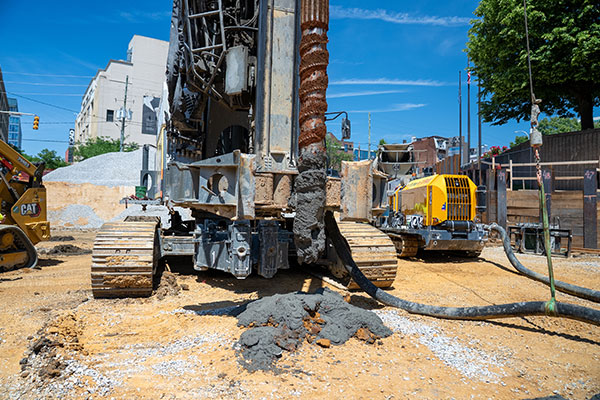
Drilling machine pours concrete at construction site foundation.

Auger Cast Piles

A continuous flight augur is advanced to depth and concrete is pumped in as the auger withdraws.
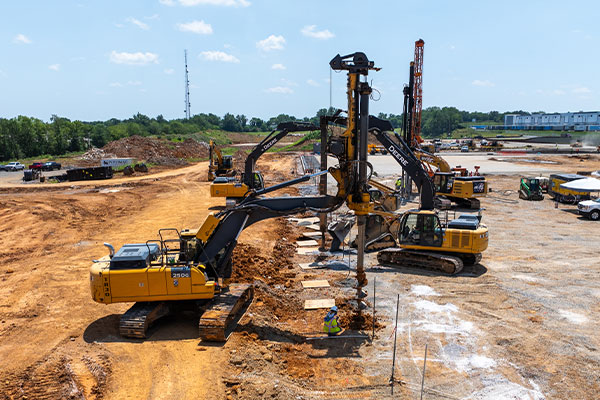
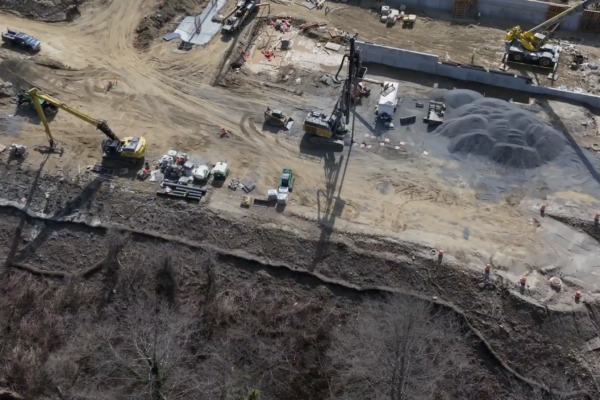
Excavators and drills work on earthmoving at a construction site.

Drilled Shafts

These large-diameter cylindrical holes filled with concrete are sometimes called caissons or bored piles
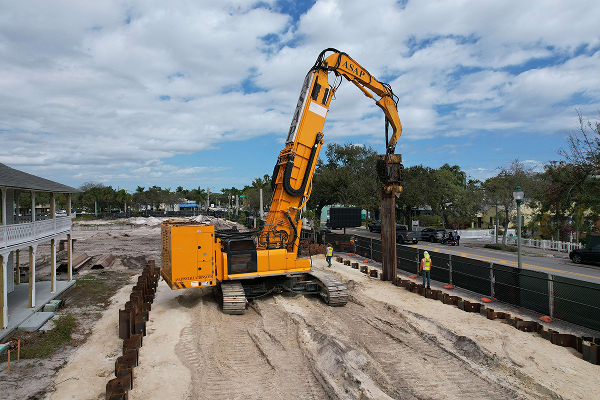
Yellow excavator installs steel piles; two workers watching nearby.

Driven Piles

Prefabricated piles in various shapes and sizes are driven into the earth to provide stability for large structures.

Implementations

When Do You Need Deep Foundations?

  • Undesirable Soils

    Instead of spreading the structure’s weight across undesirable surface soils, transfer loads to a competent layer. Deep foundations can be used on sites with compressible, organic, loose, liquefiable, or variable soils, or on those with debris fill and karst topography.

  • Multi-Story or Heavy Structures

    The taller and more highly loaded a structure is, the more crucial its foundation becomes. Deep foundations take those forces to deeper strata, which improves structural integrity and prevents sinking — no matter the surface conditions.

  • High Water Tables

    Micropiles and hollow bar micropiles anchor structures in competent soil or rock, bypassing water-saturated layers and holding buildings in place in the event of flooding.

  • Seismic, Lateral, & Uplift Load Requirements

    Deep foundations counteract lateral loads from wind and seismic activity, protecting light, tall, and heavy structures from lifting, overturning, or other forms of failure.

  • Adjacent Structures & Utilities

    Densely packed urban sites are hemmed in by neighboring foundations and utilities. Deep foundations provide significant capacity within a small footprint, making them the perfect choice for these applications.

  • Low Headroom Conditions

    Reinforce existing structures with low ceilings or work in tight spaces with micropiles and other deep foundation technologies.

  • Karst Geology

    When limestone, gypsum, and other underground rocks erode, karst features such as voids and seams are left behind. Safely build on sites prone to these hidden voids by embedding deep foundations in solid, stable layers.

logomark

Request a Geotechnical Consultation